Technology
Cutting-edge technology, built by elite engineering
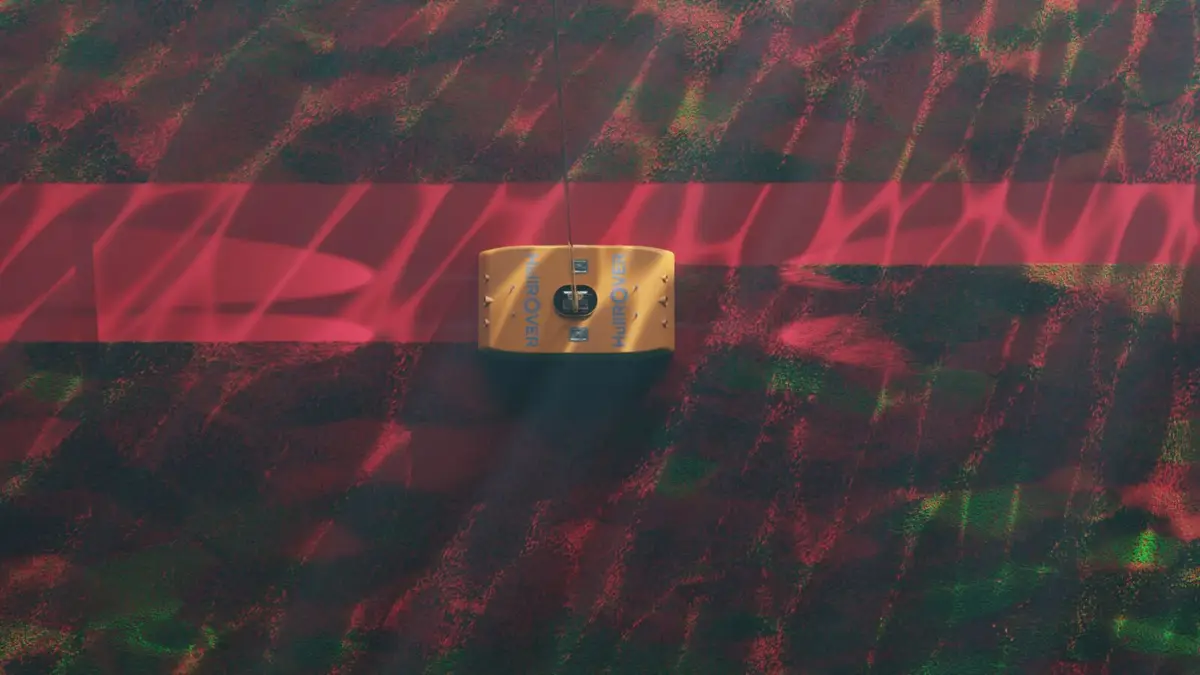
A remotely operated system that cleans in the water, captures the debris at the cleaning head and filters it on the quay.
In operation
Cleaning along the waterline
This footage shows our cleaning unit working along a vessel’s hull. The unit removes fouling and draws the debris into the capture system as it goes.
- Operated from the surfaceTrained operators steer the unit on live video throughout the job.
- No divers on the hullRemote operation keeps people out of the water.
- Made for commercial hullsSuited to tankers, container ships, bulk carriers, and cruise ships.
Capture, filtration & disposal
Where the debris goes
Everything the unit removes follows the same path, from the hull to responsible disposal ashore.
- Clean and capture. The unit removes fouling below the waterline and draws the debris in at the cleaning head.
- Pump to the quay. Water and debris travel through a hose to the surface.
- Filter. The filtration unit on the quay separates the debris from the water.
- Return. Filtered water goes back into the harbor.
- Dispose. The collected waste is taken ashore and disposed of responsibly.
After every job
Inspection, evidence and a full report
Once cleaning is complete, we inspect the hull and document the result, so you can see what was done without sending anyone below the waterline.
- Inspection video of the cleaned hull.
- Images of the cleaned areas.
- A full written report for your technical records, class and charterers.
FAQ
Questions from technical superintendents
Which hull coatings can you clean?
We review the coating type, its age and the fouling level before every job and agree on the cleaning approach with your technical team. Include your coating details in the quote request and we’ll confirm suitability.
How heavily fouled can the hull be?
In-water cleaning works best as regular maintenance, before growth becomes heavy. Send recent hull photos or the date of the last cleaning or dry-docking, and we’ll tell you honestly whether in-water cleaning suits the current condition.
Who arranges port and authority permissions?
We do. Requirements vary by port, so we coordinate with the port authority, the terminal and the vessel’s agent before each job and confirm what is needed well in advance.
What happens to the debris?
It is captured at the cleaning head, pumped to our filtration unit on the quay and separated from the water. The filtered water is returned and the collected waste is taken ashore and disposed of responsibly.
How long does a cleaning take, and do cargo operations stop?
Duration depends on the hull size, the fouling level and the areas to be cleaned. We give you a time estimate with the quote and plan the work around cargo operations, alongside or at anchor.
Do you offer one-time cleanings or maintenance plans?
Both. Book a one-time cleaning for a single port call, or set up a maintenance plan with cleanings scheduled at regular intervals around your vessel’s trading pattern.
How much notice do you need?
As much as you can give. Send the port and ETA window as soon as they are known. We confirm availability quickly and adjust to ETA changes wherever possible.
What documentation do I receive?
After cleaning we inspect the hull and send inspection video, images of the cleaned areas and a full written report.
Can you provide technical details for a port, class or charterer review?
Yes. Tell us what your review requires and we’ll send the relevant technical information with your quote.
Want to see it on your hull?
Share your vessel and next port call. We’ll plan the job around your schedule.